
26
Oct
Acidity and Dental Health: How Acid Reflux Can Affect Your Teeth
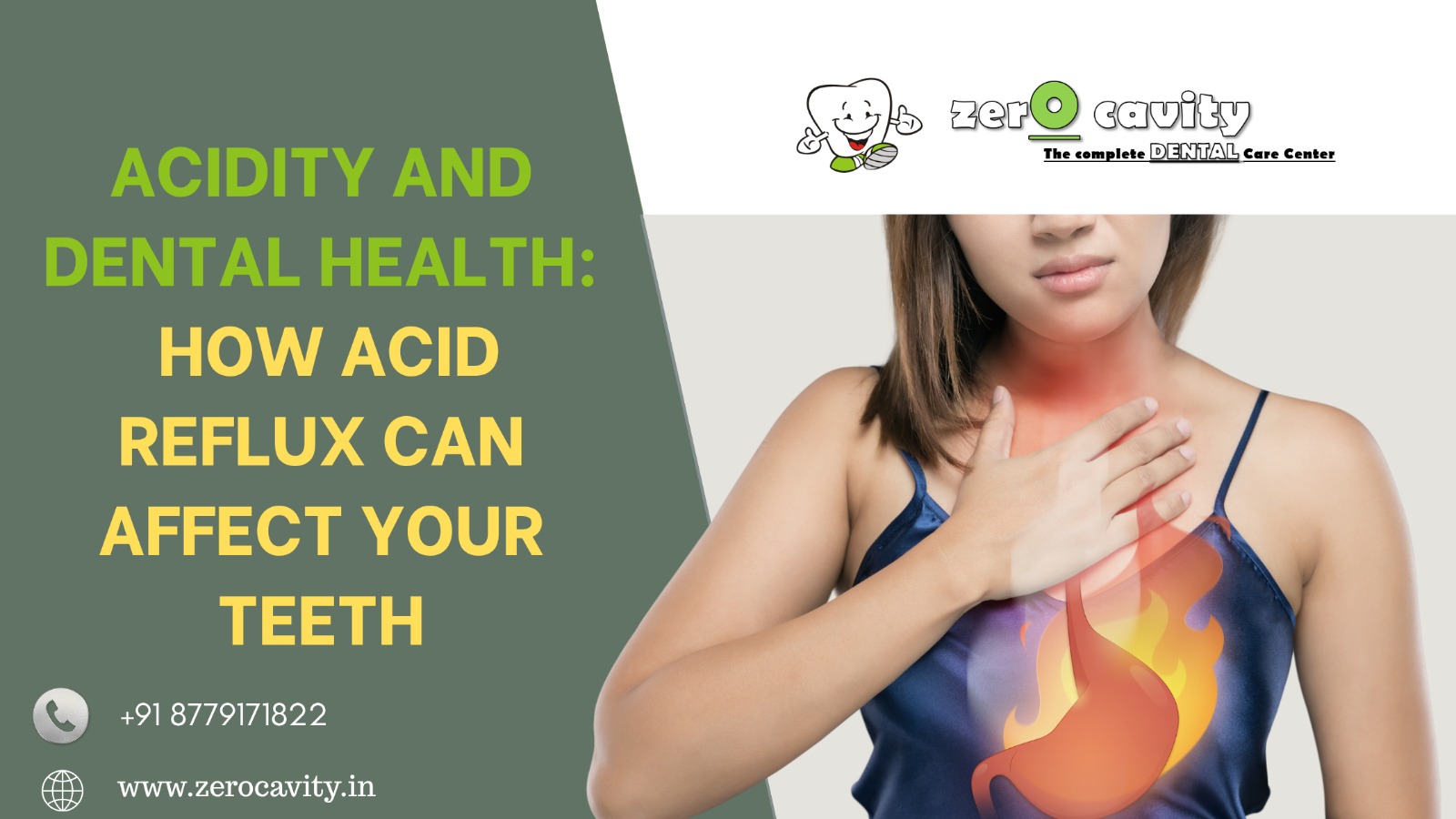
Have you ever experienced a burning sensation in your chest, a sour taste in your mouth, or acidity after a meal? These are common symptoms of acidity. While many people know that acidity can affect the stomach and food pipe, they may not realise that it can also affect their teeth.
Acidity, especially when stomach acid comes back into the mouth, can slowly damage the outer layer of your teeth. Over time, this may lead to tooth sensitivity, enamel damage, and other dental problems.
Let’s understand how acidity affects your teeth and what you can do to protect your smile.
What Is Acidity?
Acidity occurs when stomach acid flows back into the food pipe. This is commonly known as acid reflux. Sometimes, the acid can reach the mouth, leaving a sour or bitter taste.
If this happens frequently, the acid can come into contact with your teeth and gradually wear away the enamel.
How Does Acidity Affect Your Teeth?
Your teeth are covered by a hard outer layer called enamel. It protects your teeth from everyday wear and damage. However, stomach acid is strong enough to weaken this protective layer over time.
Here are some common dental problems linked to acidity:
1. Tooth Sensitivity
If you feel discomfort while drinking hot tea, cold water, or eating something sweet, it could be a sign of tooth sensitivity. Acid can wear down the enamel, making your teeth more sensitive.
2. Enamel Erosion
Enamel erosion happens when the protective outer layer of your teeth slowly wears away. Unlike some other parts of the body, tooth enamel cannot grow back once it is lost.
3. Yellowing of Teeth
As enamel becomes thinner, the yellowish layer underneath, called dentin, may become more visible. This can make your teeth look more yellow than usual.
4. Increased Risk of Cavities
Acid erosion can weaken your teeth and make them more vulnerable to dental problems. If you also have plaque buildup or frequent sugar exposure, your risk of cavities may increase.
5. Bad Breath
Acid reflux can sometimes cause an unpleasant taste and contribute to bad breath. If bad breath continues, it is important to check for other possible causes as well.
Signs That Acidity May Be Affecting Your Teeth
Look out for these common signs:
- Sensitivity while eating or drinking hot and cold foods.
- Teeth that look more yellow than before.
- Smooth, shiny, or worn areas on the teeth.
- Frequent sour or bitter taste in the mouth.
- Discomfort in your teeth without an obvious reason.
These symptoms do not always mean you have acid-related dental damage. A dental check-up can help identify the actual cause.
How Can You Protect Your Teeth From Acidity?
The good news is that a few simple habits can help protect your teeth.
1. Rinse Your Mouth With Water
After experiencing acidity or acid reflux, rinse your mouth gently with plain water. This helps wash away some of the acid.
2. Do Not Brush Immediately After Acid Exposure
Acid temporarily softens the tooth enamel. Brushing immediately may cause additional wear. Rinse with water first and wait about 30–60 minutes before brushing.
3. Brush Twice a Day
Use a soft-bristled toothbrush and fluoride toothpaste. Brush gently to protect your enamel and keep your teeth clean.
4. Avoid Lying Down Immediately After Meals
If you experience acid reflux, try to stay upright for at least 2–3 hours after eating. Eating smaller meals and avoiding foods that trigger your symptoms may also help.
5. Drink Enough Water
Water helps rinse your mouth and maintain moisture. A dry mouth can increase the risk of dental problems.
6. Do Not Ignore Frequent Acidity
If acidity happens often, consult a doctor. Managing acid reflux can help reduce repeated acid exposure to your teeth.
When Should You Visit a Dentist?
If you notice increased tooth sensitivity, changes in the colour of your teeth, or signs of enamel wear, do not ignore them.
A dentist can examine your teeth, check for enamel erosion, and recommend suitable treatment. Depending on the condition of your teeth, treatment may include fluoride products, sensitivity toothpaste, or other protective dental procedures.
Remember, lost enamel cannot grow back, but early care can help protect the enamel that remains and prevent further damage.
Protect Your Smile With ZeroCavity Dental Clinic
Your oral health is closely connected to your overall health. While acidity may seem like a stomach problem, frequent acid reflux can also affect your teeth and smile.
At ZeroCavity Dental Clinic, we believe that understanding your dental health is the first step towards protecting it. Regular dental check-ups, good oral hygiene, and timely treatment can help keep your teeth healthy.
Experiencing tooth sensitivity or worried about enamel damage? Book a dental consultation at ZeroCavity Dental Clinic and take the first step towards a healthier smile.
Disclaimer: This blog is for general information only and is not a substitute for professional dental or medical advice.
Contact Zero Cavity Dental Clinic:
📞 Call or WhatsApp: +91 87791 71822
🌐 Website: www.zerocavity.in
📍 Find us in Matunga: Google Maps Location
© Copyright
Zero Cavity Dental Clinic. All Rights Reserved. | Powered By  | Privacy Policy | T&C