
23
Nov
What Are Dental Sealants? A Parent's Guide to Protecting Children's Teeth
As parents, we do everything we can to keep our children healthy. From encouraging them to eat nutritious food to reminding them to brush twice a day, we want to give them the best start in life. But did you know that even children who brush regularly can develop cavities, especially in their back teeth?
The reason is simple: children's back teeth have tiny grooves and pits on their chewing surfaces. Food particles and bacteria can easily get trapped in these areas, making them difficult to clean with a toothbrush.
This is where dental sealants come in! They offer an extra layer of protection to help prevent cavities and keep your child's teeth healthy.
Let's understand what dental sealants are, how they work, and why your child might benefit from them.
What Are Dental Sealants?
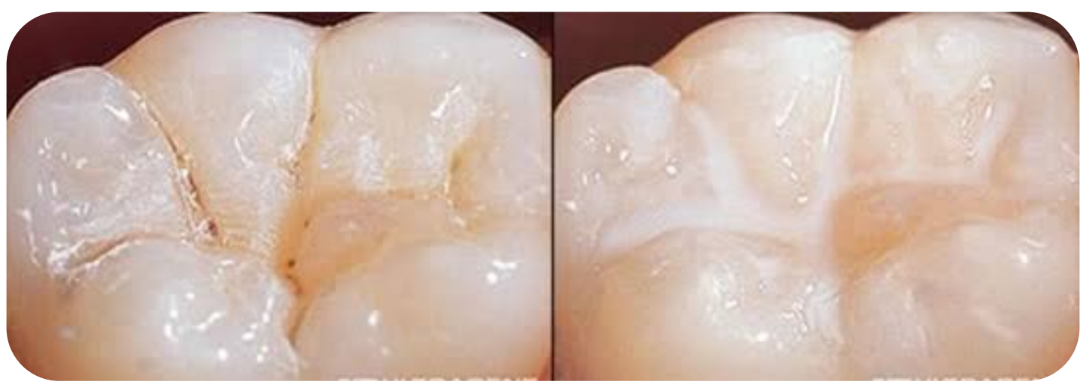
Dental sealants are thin, protective coatings applied to the chewing surfaces of the back teeth, particularly the molars and premolars.
Think of them as a protective shield that covers the tiny grooves and pits on your child's teeth. These grooves are natural, but they can be deep and narrow, allowing food particles and bacteria to collect inside them.
A dental sealant fills these grooves and creates a smoother surface, making it harder for food and bacteria to get trapped.
The best part? The procedure is quick, painless, and usually does not require any drilling or removal of tooth structure.
Why Do Children Need Dental Sealants?
Have you ever noticed that your child's back teeth have uneven surfaces? Unlike the front teeth, which are relatively smooth, molars have several tiny pits and grooves.
Even when children brush twice a day, these areas can be difficult to clean properly.
Here are a few reasons why dental sealants can be helpful:
- Protects against cavities: Sealants act as a barrier, preventing food particles and cavity-causing bacteria from collecting in the deep grooves.
- Protects newly erupted permanent teeth: Newly erupted molars are particularly vulnerable to tooth decay, making early protection important.
- Makes teeth easier to clean: By covering deep grooves, sealants create a smoother chewing surface.
- Provides long-lasting protection: With proper care and regular dental checkups, sealants can protect teeth for several years.
- Helps avoid future dental treatments: Preventing cavities may reduce the need for fillings and other restorative procedures.
At What Age Should Children Get Dental Sealants?
Timing matters when it comes to protecting your child's teeth.
The first permanent molars usually erupt around the age of 6. These are often called the six-year molars. Since they are the first permanent teeth to appear, parents sometimes mistake them for milk teeth and may not realise how important they are.
The second permanent molars usually erupt around the age of 12.
These are two important stages when dental sealants may be recommended.
However, sealants are not limited to a particular age. Your dentist will examine your child's teeth and recommend them based on the depth of the grooves and the risk of developing cavities.
Remember: It is better to protect healthy teeth early rather than wait for cavities to develop.
How Are Dental Sealants Applied?
One common concern parents have is whether the procedure will hurt their child.
The good news is that applying dental sealants is simple, quick, and painless. It generally involves the following steps:
Step 1: Cleaning the tooth
The dentist thoroughly cleans the chewing surface to remove food particles and plaque.
Step 2: Preparing the tooth
A special solution is applied to the tooth surface to help the sealant bond properly. The tooth is then rinsed and dried.
Step 3: Applying the sealant
The liquid sealant material is carefully applied to the pits and grooves of the tooth, covering the areas where food and bacteria can get trapped.
Step 4: Hardening the sealant
A special curing light may be used to harden the material, depending on the type of sealant.
Step 5: Checking the bite
Finally, the dentist checks the sealant and makes sure your child can bite comfortably.
That's it! Your child's teeth now have an additional protective layer.
Are Dental Sealants Safe for Children?
Yes! Dental sealants have been widely used as a preventive treatment in pediatric dentistry.
They are designed to protect the chewing surfaces of teeth and are generally well tolerated by children.
The dentist will first check whether the tooth is suitable for sealant application. Regular dental visits are also important to make sure the sealant remains intact.
How Long Do Dental Sealants Last?
Dental sealants can last for several years, but they may wear down or become chipped over time.
This does not mean the treatment has failed. During regular dental checkups, your dentist will examine the sealants and recommend repair or reapplication if needed.
Encouraging your child to maintain good oral hygiene and avoid biting hard objects can also help protect the sealants.
Do Dental Sealants Replace Brushing and Flossing?
Absolutely not!
Although dental sealants provide additional protection, they do not replace daily oral hygiene habits.
Your child should still:
- Brush twice a day with an age-appropriate amount of fluoride toothpaste.
- Floss daily when the teeth touch.
- Limit frequent sugary snacks and drinks.
- Drink plenty of water.
- Visit the dentist regularly.
Think of dental sealants as an extra layer of protection, not a substitute for healthy dental habits.
Give Your Child's Smile a Head Start!
Every parent wants their child to grow up with a healthy, confident smile. While regular brushing, healthy eating, and dental checkups are essential, preventive treatments like dental sealants can provide additional protection during the years when permanent teeth are developing.
Remember, cavities don't always happen because children neglect brushing. Sometimes, the natural shape of their teeth makes certain areas harder to clean.
A simple preventive step today can help protect your child's teeth for years to come.
Is your child ready for dental sealants? Schedule a dental checkup with Zero cavity dental clinic to find out whether this preventive treatment is right for your little one's smile.
Because when it comes to children's dental health, prevention is always a great place to start!
Contact Zero Cavity Dental Clinic:
📞 Call or WhatsApp: +91 87791 71822
🌐 Website: www.zerocavity.in
📍 Find us in Matunga: Google Maps Location
© Copyright
Zero Cavity Dental Clinic. All Rights Reserved. | Powered By  | Privacy Policy | T&C